
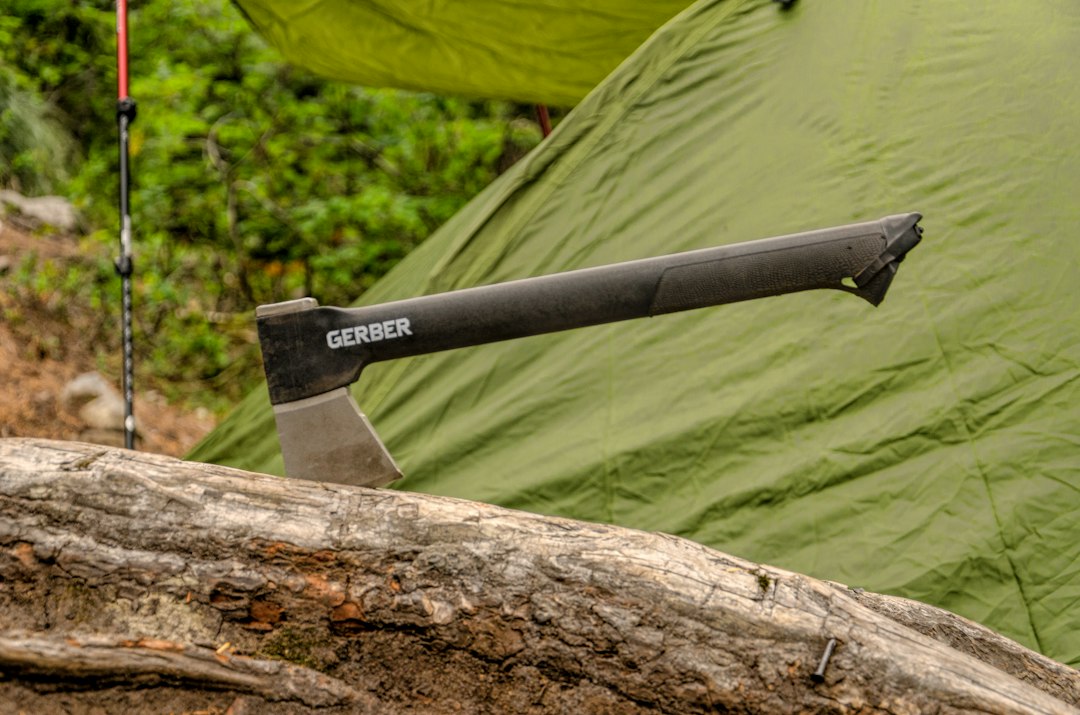
Choosing the right camping equipment can make or break your outdoor experience. Whether you are a seasoned adventurer or a novice, understanding what to pack is crucial for comfort and safety. With a plethora of options available, it’s essential to narrow down your choices based on your specific needs and the environment you will be exploring.
Assess Your Camping Needs
Before diving into the world of camping gear, take a moment to assess your specific needs. Consider the type of camping you will be doing—will it be car camping, backpacking, or perhaps a more rugged expedition? Each type of camping requires different gear, so understanding your style will help you make informed decisions. Additionally, think about the duration of your trip and the number of people joining you, as these factors will influence the size and quantity of equipment you need.
Another important aspect to consider is the weather conditions you might encounter. Research the climate of your camping destination during your planned visit. This will help you choose equipment that can withstand potential rain, wind, or extreme temperatures. By assessing your needs thoroughly, you can create a tailored list of essential items that will enhance your camping experience.
Prioritize Essential Gear
Once you have a clear understanding of your camping needs, it’s time to prioritize essential gear. Start with the basics: a reliable tent, sleeping bag, and sleeping pad. These items are fundamental for a comfortable night’s sleep and protection from the elements. When selecting a tent, consider factors such as size, weight, and ease of setup. A good sleeping bag should match the season and temperature range of your camping trip, while a sleeping pad adds an extra layer of comfort and insulation.
Next, think about cooking and food storage. A portable stove, cooking utensils, and a cooler or food storage containers are vital for meal preparation. Don’t forget to pack enough food and water for your trip, along with a water purification system if you plan to source water from natural bodies. Prioritizing these essentials will ensure you have a solid foundation for your camping adventure.
Invest in Quality and Durability
When it comes to camping equipment, investing in quality and durability is key. While it may be tempting to opt for cheaper alternatives, low-quality gear can lead to discomfort and potential safety hazards. Look for products made from high-quality materials that are designed to withstand the rigors of outdoor use. Brands that specialize in outdoor gear often provide warranties, which can be a good indicator of the product’s reliability.
Additionally, consider the weight of your gear, especially if you are backpacking. Lightweight options can make a significant difference in your overall comfort and mobility. Research reviews and seek recommendations from fellow campers to find the best products that balance quality and weight. By investing in durable gear, you’ll not only enhance your camping experience but also save money in the long run by avoiding frequent replacements.
Don’t Forget Safety Gear
Safety should always be a top priority when camping. Ensure you have a well-stocked first aid kit, which should include bandages, antiseptic wipes, pain relievers, and any personal medications. Familiarize yourself with basic first aid procedures, as this knowledge can be invaluable in case of an emergency. Additionally, consider bringing a multi-tool or knife, which can serve multiple purposes and be a lifesaver in various situations.
Another important safety item is a reliable navigation system. Whether it’s a GPS device, a map, or a compass, having a way to navigate your surroundings is crucial, especially in unfamiliar territory. Lastly, don’t forget to pack a flashlight or headlamp with extra batteries, as visibility can be limited after dark. By prioritizing safety gear, you can enjoy your camping trip with peace of mind.
Step-by-step plan:
Step 1: Assess your camping needs based on the type of trip and weather conditions. Step 2: Prioritize essential gear such as a tent, sleeping bag, and cooking equipment. Step 3: Invest in quality and durable products that will last. Step 4: Don’t forget to include safety gear for emergencies and navigation.